Mold Testing in Englewood, NJ | Inspection and Assessment
If you have dealt with a leak, ongoing humidity, or rooms that never seem dry, mold may be a legitimate concern. It often develops in concealed areas long before anything becomes visible. Testing allows you to confirm whether spores are elevated and whether moisture has created conditions that support growth.
Mold Testing LLC provides independent mold inspection and laboratory-based testing in Englewood, NJ. We focus exclusively on identifying mold conditions. We do not perform remediation or repairs. That distinction matters because it keeps the evaluation separate from any financial interest in cleanup work. Our role is to test, document, and explain. To schedule your mold testing appointment, get in touch.
Mold Is a Moisture Problem First and Foremost
Mold growth does not begin with discoloration on a wall, that happens afterwards. It begins when building materials remain damp long enough to support microbial activity. That moisture can come from plumbing leaks, roof intrusion, condensation, elevated indoor humidity, or inadequate ventilation.
Once materials such as drywall, wood framing, or insulation stay wet, mold spores already present in the environment can begin to multiply. This process can take place behind finished surfaces, beneath flooring, or inside wall cavities. Visible growth is often a later development rather than the starting point.
Why Independent Testing Is Important
Evaluation Without Remediation Services
Some companies combine mold inspection and removal under one roof. When testing and cleanup are linked, clients may question whether findings are influenced by potential repair work. Mold Testing LLC provides inspection and testing only. We do not sell remediation.
Reports That Stand on Their Own
All samples are sent to an accredited laboratory for analysis. The final report identifies mold species and measures spore concentrations. If levels are typical, that is documented. If elevated levels are detected, the report provides data that can be shared with contractors, buyers, sellers, or property managers.
What a Mold Inspection Includes
Initial Walkthrough and History Review
The inspection begins with a walkthrough and a discussion of any known water events, past repairs, or recurring concerns. Understanding where moisture may have entered helps guide sampling decisions.
Air Sampling and Baseline Comparison
Indoor air samples are collected and compared to outdoor conditions. Because mold exists naturally outside, the comparison between indoor and outdoor air is critical. Elevated indoor levels relative to outdoor samples may indicate active growth within the building.
Surface Sampling When Appropriate
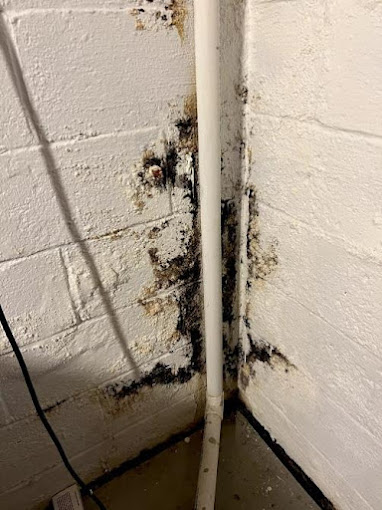
If staining or suspected mold growth is visible, surface samples may be collected. Laboratory analysis confirms whether mold is present on the material and identifies the species.
Moisture Detection
Moisture meters and thermal imaging can help identify damp areas within walls or under flooring. These tools assist in locating conditions that may support mold growth.
Understanding the Laboratory Results
Species Identification
The laboratory identifies the types of mold detected in air or surface samples. Certain species are commonly present at low levels indoors. Others may suggest prolonged moisture exposure.
Spore Concentration Levels
The number of spores detected helps determine whether indoor levels fall within a normal range or exceed typical environmental conditions. Interpretation focuses on concentration, location, and comparison to outdoor samples.
Results are reviewed clearly so you understand what was found and whether further action is recommended.
Situations That Commonly Lead to Mold Testing
Testing is frequently requested after plumbing leaks or roof damage. Even when repairs are completed, moisture can remain trapped inside structural materials.
Buyers often request mold testing during real estate transactions to gain information beyond a standard home inspection. Sellers may also use testing to address concerns before listing.
Renovation work can expose areas that were previously concealed. If past water damage is discovered during construction, testing can confirm whether mold is present before closing up walls.
Landlords and property managers may request testing when tenants report odors or air quality concerns. Independent documentation helps clarify conditions.
Residential and Commercial Mold Testing
Testing can be performed in detached houses, condominiums, apartments, and attached dwellings. Sampling is tailored to layout, airflow, and building design.
Commercial spaces such as offices, retail locations, and professional buildings may require broader sampling depending on size and ventilation systems. The process remains consistent. Samples are collected, submitted to a laboratory, and analyzed before results are reported.
Post-Remediation Verification
If mold removal has been performed by a separate contractor, follow-up testing can confirm whether spore levels have returned to a typical range. Independent verification provides documentation that cleanup efforts were effective.
Areas Served Around Englewood
Mold Testing LLC serves Englewood and nearby communities including Tenafly, Bergenfield, Leonia, Fort Lee, and Teaneck. Each inspection is based on the building's specific conditions rather than assumptions tied to location.
Mold Testing FAQs in Englewood, NJ
Can mold testing detect hidden growth behind walls?
Air sampling can reveal elevated spore levels even when mold is not visible. Moisture detection tools can also identify damp areas that may support concealed growth.
Do all mold types pose the same health risk?
Different mold species affect individuals differently. Laboratory identification helps determine what type of mold is present so informed decisions can be made.
Is mold testing recommended after renovations?
If construction work uncovered past moisture damage or exposed concealed areas, testing can confirm that mold levels are within a typical range before surfaces are closed again.
How long does it take to receive results?
Laboratory results are typically available within two to three business days. Findings are reviewed once the report is received.
Can testing help in a landlord tenant dispute?
Independent testing provides documentation that may help clarify indoor conditions when concerns arise.
What if outdoor mold levels are high?
Outdoor mold levels fluctuate based on weather and season. The comparison between indoor and outdoor samples helps determine whether indoor concentrations are unusually elevated.
Do you perform follow up testing after remediation?
Yes. Post-remediation testing confirms whether mold spore levels have returned to a typical range after cleanup.
How is pricing structured?
Pricing depends on the size of the space and the number of samples required. A clear estimate is provided before scheduling.
Schedule Mold Testing in Englewood, NJ
If you suspect moisture or mold may be affecting indoor air quality, professional testing provides documented results based on laboratory analysis. Mold Testing LLC offers independent inspections designed to provide clear information without pressure or upselling.
Contact us today to schedule mold testing in Englewood, NJ.
Schedule Your Inspection