Mold Testing in Bloomfield, NJ | Inspection and Assessment
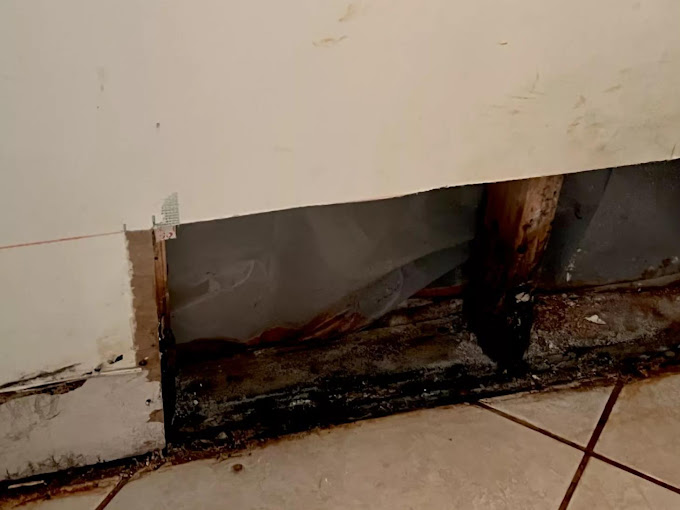
Mold growth is the result of sustained moisture interacting with organic materials over time. When water intrusion, humidity imbalance, or ventilation problems go unchecked, building materials can support microbial growth (and cause health problems) long before anything becomes visible to the eye. It is in your best interests to find out how far the mold growth has progressed
Mold Testing LLC provides independent mold inspection and laboratory-based testing in Bloomfield, NJ. We focus exclusively on testing and analysis, and we do not perform remediation or structural repairs. We evaluate indoor conditions, collect samples, and provide documented results so that decisions can be made based on evidence. Contact us to schedule your appointment and confirm the safety of your air quality.
How Mold Develops Indoors
Sustained Moisture
Mold spores are present in nearly all environments. Growth occurs when those spores encounter materials that remain damp long enough to support colonization. The critical factor is not a single leak or brief humidity spike, but moisture that persists. When drywall, wood framing, insulation, or carpeting retain water beyond normal drying time, mold can begin multiplying within days.
The longer moisture remains, the more likely growth will spread beyond the original source.
Airflow, Temperature, and Enclosed Cavities
Buildings contain numerous enclosed spaces where airflow is limited. Wall cavities, subfloors, ceiling voids, and duct systems can trap moisture in ways that are not visible from the surface. Temperature differences between interior and exterior spaces can also create condensation within these concealed areas. These micro-environments allow mold to grow without obvious warning signs.
How Mold Spreads Through a Structure
Once growth begins, mold releases microscopic spores into the air. These spores can travel through open doorways, shared ventilation systems, and even on clothing. HVAC systems may circulate spores throughout multiple rooms if moisture is present inside ductwork or air handlers. This is why air sampling plays a central role in mold testing.
Why Mold Is Often Missed in Standard Home Inspections
General home inspections are largely visual. Inspectors look for staining, soft materials, and signs of past water damage. However, mold frequently develops behind finished surfaces where it cannot be seen. Without air sampling and laboratory analysis, elevated spore levels may go undetected.
Mold testing adds a layer of measurement that visual inspections alone cannot provide. It evaluates the air occupants are breathing and identifies species present in the environment.
The Mold Testing Process Step by Step
Initial Site Evaluation
Each inspection begins with a review of the building's history. Known leaks, past repairs, humidity concerns, and renovation work are discussed. This context helps determine where sampling will be most effective.
Air Sampling Methodology
Air samples are collected using calibrated pumps that draw a measured volume of air across a collection medium. Samples are typically taken indoors and outdoors to establish a baseline comparison. The outdoor sample represents normal environmental conditions at the time of testing.
Surface Sampling Strategy
When staining or suspect growth is present, surface samples may be collected to confirm whether mold is active. Laboratory analysis identifies the species and verifies whether spores are present on the material.
Moisture Mapping
Moisture meters are used to measure water content in building materials. Elevated readings can indicate conditions that support mold growth. Thermal imaging may also help locate temperature variations that suggest hidden moisture.
Understanding Mold Lab Reports
Spore Counts and Concentration Levels
The laboratory report provides a count of spores detected in each air sample. These numbers are evaluated relative to outdoor baseline levels. Elevated indoor counts may indicate internal growth or amplification.
Species Identification and Significance
Certain mold species are commonly found in indoor environments at low levels. Others may be more closely associated with prolonged moisture exposure. Species identification helps determine whether the types detected are consistent with typical background conditions or suggest active growth.
Comparing Indoor and Outdoor Samples
Interpretation focuses on differences between indoor and outdoor samples. When indoor air contains significantly higher concentrations or a different distribution of species, further evaluation may be warranted.
When Mold Testing Is Most Valuable
Testing is particularly useful after flooding, drainage failure, or plumbing leaks. Even after repairs are completed, moisture may remain within structural materials.
During real estate transactions, mold testing provides information beyond a standard inspection. Buyers often seek confirmation that indoor air quality is within normal ranges before closing.
HVAC systems that circulate persistent odors may warrant evaluation, especially if condensation has been observed within mechanical components.
In multi-unit or attached buildings, shared ventilation can allow spores to travel between spaces. Independent testing helps determine whether elevated levels are localized or more widespread.
After remediation work has been performed by a separate contractor, clearance testing verifies whether indoor spore levels have returned to typical environmental conditions.
Health and Structural Implications of Ongoing Mold Growth
Prolonged exposure to elevated mold levels may contribute to respiratory irritation, allergic reactions, or other discomfort in sensitive individuals. Mold can also degrade organic building materials over time. Drywall, wood framing, and insulation may weaken if moisture and microbial growth are allowed to persist.
Addressing mold begins with identifying whether it is present and understanding the extent of contamination.
Residential and Commercial Mold Testing
Testing can be performed in single-family houses, condominiums, and apartments. Sampling locations are selected based on layout, ventilation patterns, and known moisture history.
Commercial buildings such as offices, schools, and retail spaces may require broader sampling depending on square footage and HVAC configuration. Larger mechanical systems can influence how spores distribute throughout the structure.
Why Testing-Only Matters
Because Mold Testing LLC does not provide remediation services, findings are not tied to cleanup contracts. The purpose of testing is to measure conditions accurately. If indoor mold levels are within normal ranges, that is documented. If elevated levels are detected, you receive laboratory-backed data that supports informed next steps.
Areas Served Near Bloomfield
Mold Testing LLC serves Bloomfield and nearby communities including Montclair, Belleville, Glen Ridge, Nutley, and Newark. Each inspection is based on the building's specific conditions at the time of evaluation.
Mold Testing FAQs in Bloomfield, NJ
How quickly can mold begin growing after water exposure?
Mold can begin developing within 24 to 48 hours when materials remain wet and environmental conditions support growth.
Does mold always have a strong odor?
No. While musty odors are common, mold may be present without a noticeable smell, particularly in concealed areas.
Can mold testing determine how long mold has been present?
Testing identifies current spore levels and species but does not determine exactly when growth began.
How are air samples collected and analyzed?
Air samples are collected using calibrated pumps that capture a measured volume of air. The samples are analyzed by an accredited laboratory to identify species and concentration levels.
What does it mean if indoor levels are higher than outdoor levels?
Elevated indoor levels relative to outdoor samples may indicate active growth within the building.
Is testing recommended even if no one feels sick?
Yes. Mold testing evaluates environmental conditions, not just health symptoms. Elevated spore levels may be present even if occupants do not report discomfort.
How long does an inspection typically take?
Most inspections take between one and two hours, depending on the size of the building and the number of samples required.
What determines the number of samples needed?
The size of the space, layout, ventilation patterns, and moisture history all influence how many samples are appropriate.
Do you test schools or commercial buildings?
Yes. Testing can be performed in educational facilities, offices, retail spaces, and other commercial environments.
How soon are laboratory results available?
Results are typically available within two to three business days. Findings are reviewed once the report is received.
Schedule Mold Testing in Bloomfield, NJ
If moisture issues or indoor air concerns have raised questions about mold, laboratory-based testing provides measurable information. Mold Testing LLC offers independent inspections designed to document conditions clearly and accurately.
Call 201-522-3204 to speak with someone at Mold Testing LLC. We'll answer your questions, set up a time that works for you, and give you a clear idea of what to expect. There's no pressure to hire a cleanup company. Just honest answers, lab-tested results, and a full breakdown of what's going on behind the walls.