Mold Testing and Inspection in Hoboken
Moisture-related mold is more common than most people think. Water intrusion can come from aging roofs, plumbing issues, and lack of ventilation in bathrooms or kitchens. We provide mold testing for homeowners, renters, landlords, and real estate professionals in Hoboken who are looking for answers, and trust us, you want to stop the problem before it spreads or becomes more costly. Our reports are backed by accredited lab results and delivered with no pressure to hire a cleanup crew.
To schedule your testing appointment, or if you need more information, get in touch.
We Only Test, So There's No Conflict of Interest
We are not a remediation company. That means there's no incentive to overstate the problem or convince you to pay for services you may not need. Our role is to inspect, test, and document. If your results show that mold is present and action is needed, we can refer you to a remediation specialist. But the choice is entirely up to you.
Mold Testing During Real Estate Transactions
Don't Buy or Sell Blind
Many buyers in Hoboken choose to add a mold test to their inspection checklist. Some sellers also choose to test in advance to avoid surprises later. In both cases, testing reveals whether a property has underlying moisture issues, elevated spore counts, or past water events that weren't addressed properly. This is especially useful in attached rowhouses, brownstones, and garden-level apartments where leaks or air flow problems may go unnoticed.
When Mold Testing Makes Sense
Recent Water Damage
Even if the water has dried and repairs were made, mold can still develop out of sight. Testing confirms whether spores remain and whether a cleanup was effective.
Ongoing Health Symptoms
Unexplained congestion, fatigue, or sinus infections that seem worse at home may point to mold in the air. When symptoms improve outside the house or building, testing becomes a logical next step.
Routine Landlord Maintenance
Landlords may be required to provide safe and habitable housing. In New Jersey, this includes addressing mold concerns in a timely manner. Testing can help confirm whether a complaint is justified or if further action is needed. Some tenants may request a report before signing a lease or when they believe water issues were not resolved properly.
What Happens During the Inspection
Our process begins with a walkthrough of the space. We check for signs of visible mold, use moisture meters and thermal cameras to identify hidden issues, and assess ventilation and humidity levels. We then collect air samples from multiple locations to capture the current indoor spore levels. If needed, we also take surface samples where discoloration or odors are present.
Samples are sent to a certified laboratory. Once analyzed, we prepare a clear, organized report that explains what was found, what it means, and whether further steps should be considered.
Where Mold Tends to Develop
Buildings in Hoboken can experience mold in:
- Bathroom ceilings and grout where steam collects
- Behind kitchen appliances or under cabinets with old plumbing
- Near heating or cooling units that drip condensation
- Walls close to flat roofs with poor drainage
- Basement storage areas or laundry rooms with limited airflow
Even small leaks or dampness in these areas can support mold growth over time, especially if ventilation is poor or materials never fully dried.
Health and Structural Impact of Mold
Mold affects indoor environments in more ways than one. Even non-toxic molds can release spores that irritate the respiratory system or trigger headaches and fatigue. This becomes especially important in homes with children, seniors, or anyone with asthma.
From a property perspective, mold damages drywall, insulation, wood framing, and paint. Untreated mold can affect home value and cause delays in closing if not addressed early. Testing gives you clear information before the problem grows.
Common Questions Regarding Mold Inspections in Hoboken
How Long Does It Take to Receive the Mold Test Results?
Most lab reports are completed in three to four business days. If you're under a deadline for a closing or lease agreement, we also offer expedited lab processing. As soon as results are ready, we walk you through them and explain what they mean in simple terms.
Can I Stay in My Apartment During the Mold Inspection?
Yes, you can remain in the unit. Our inspection methods are non-invasive and safe. There are no harsh chemicals or disruptive procedures, and the process usually takes between one and two hours. Children and pets can also remain indoors during the appointment.
If I Already See Mold, Do I Still Need Testing?
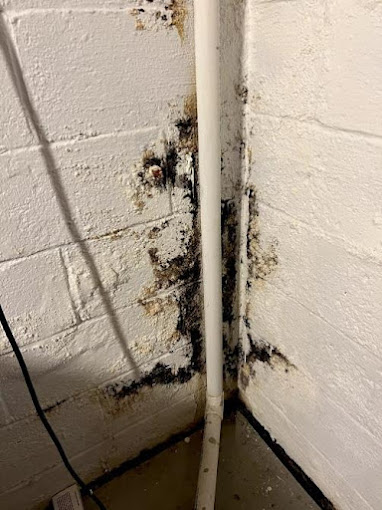
Yes. Seeing mold on a wall or ceiling often means there may be more hiding behind the surface. Testing allows us to identify how widespread the problem is, which species are involved, and whether the spores have impacted the air quality throughout your space.
What Does It Mean If Indoor Spore Levels Come Back High?
High spore counts usually indicate that mold is active somewhere inside the property. It could be growing in wall cavities, under flooring, or near HVAC systems. The lab will identify the types of mold present and whether any of them are commonly linked to health symptoms or building material decay.
Do You Test for Mold in Hoboken's Older Brownstones?
Yes. Many of the buildings in Hoboken date back to the 19th and early 20th centuries. These homes often have original brick walls, aging plaster, and ventilation quirks that can contribute to hidden moisture problems. We frequently inspect rowhouses, duplexes, and brownstones for both buyers and long-time owners.
Can Mold Testing Help Me as a Landlord or Tenant?
Definitely. Landlords often request inspections after a leak, before renting to a new tenant, or to respond to complaints about odors or visible mold. Tenants may also want independent confirmation if they feel a repair was not handled properly. Our reports provide neutral documentation for either party.
What Kinds of Tools Do You Use During an Inspection?
Our team uses moisture meters to detect damp areas in walls and floors, infrared cameras to locate hidden leaks, and specialized pumps to collect air samples. We also perform surface sampling when needed. Everything is sent to a third-party lab for objective analysis.
Do You Only Work in Hoboken?
While Hoboken is one of our primary service areas, we also test homes and buildings in nearby communities. This includes Weehawken, Jersey City Heights, Union City, and other neighborhoods in Hudson County. If you're just outside of town, give us a call to confirm availability.
How Often Should Mold Testing Be Done?
For most homeowners or landlords, testing every few years is a good rule of thumb—especially after water damage, during renovations, or between tenants. Regular testing also makes sense in properties with poor ventilation, ongoing condensation, or older plumbing that has caused leaks in the past.
What Happens If Mold Is Found?
If the lab results show elevated mold levels, we'll explain the scope of the problem and what areas were affected. While we don't offer remediation, we can recommend trusted professionals in the area. Many clients use our report to guide targeted cleanup and follow-up testing.
Can You Inspect Commercial or Retail Spaces in Hoboken?
Yes. We work with small businesses, restaurants, retail shops, and office buildings. Mold often develops in storage areas, HVAC closets, or behind appliances, especially in buildings with older infrastructure. We tailor each inspection to the layout and use of the property.
Is Mold Testing Really Necessary If There Are No Obvious Issues?
In many cases, yes. Mold can hide behind walls or circulate through the air before any visible damage shows up. If your space has a history of leaks, odd odors, or health complaints that improve away from the property, a mold inspection can rule out (or confirm) a problem early.
Mold Testing in Hoboken and Neighboring Communities
We inspect properties throughout Hoboken, from historic brownstones near Church Square Park to newer buildings along the waterfront. We also serve residents and property managers in Weehawken, Jersey City Heights, Union City, and other nearby neighborhoods. Whether you're following up after a renovation, reviewing a tenant complaint, or planning to list your home, we provide thorough testing and straightforward results.