Mold Testing in Ridgefield, NJ | Inspection and Assessment
A small leak, residual humidity, or even condensation behind a wall can create conditions where mold starts to grow long before anything becomes visible. Professional mold testing helps uncover issues early and provides clear answers if you are looking to buy a house, rent out a property, or have concerns about strange odors.
Mold Testing LLC provides independent mold inspections and testing throughout Ridgefield and nearby communities. Because we focus only on testing and do not offer mold removal, our findings are unbiased and based entirely on laboratory data. If you are dealing with past water damage, unexplained health symptoms, a real estate transaction, or something else, give us a call.
Why Mold Testing Matters
Moisture Issues Often Start Small
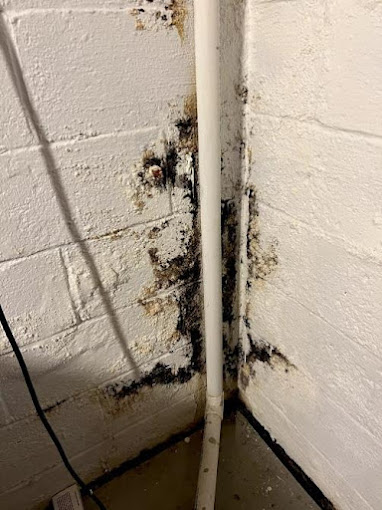
Many mold problems begin with everyday situations. A slow plumbing leak, seasonal humidity, roof runoff, or poor ventilation can introduce moisture into materials that never fully dry. Over time, that moisture allows mold to develop out of sight. By the time stains or odors appear, the issue may already be established behind walls or beneath flooring.
Hidden Mold Is More Common Than People Expect
Mold rarely starts in open areas. It tends to form in enclosed spaces such as wall cavities, beneath cabinets, around HVAC components, and in basements or attics with limited airflow. Testing helps determine whether mold spores are present in the air even when no visible growth is obvious.
A Testing-Only Approach With No Conflict of Interest
Why We Do Not Offer Mold Removal
Some companies handle both testing and remediation. That setup can create pressure to find a problem that leads to additional work. Mold Testing LLC avoids that conflict by focusing exclusively on inspections and testing. Our role is to document conditions accurately and explain the results clearly.
What Unbiased Results Actually Mean
Because we do not profit from cleanup services, our reports are based strictly on what the samples show. If mold is not present, we will say so. If elevated levels are found, you receive data that can be shared with any remediation provider you choose.
What Happens During a Mold Inspection
The Initial Walkthrough and Assessment
Each inspection begins with a walkthrough of the space and a conversation about any concerns, past water issues, odors, or health symptoms. This helps determine where testing makes the most sense and which areas may require closer attention.
Air and Surface Sampling Explained
Air samples measure the concentration of mold spores circulating indoors and are compared to outdoor levels for context. Surface samples are taken from visible discoloration or suspect materials to identify the type of mold present. Using both methods provides a clearer picture of what is happening inside the building.
Moisture Detection and Problem Areas
Moisture meters and humidity readings are used to locate damp materials that may support mold growth. These tools help identify trouble spots even when surfaces appear dry.
Understanding Your Mold Test Results
Lab Analysis and Spore Counts
All samples are sent to an accredited laboratory for analysis. The lab identifies mold species and measures spore concentrations. This information shows whether mold levels fall within expected indoor ranges or indicate an active issue.
Interpreting Normal vs Elevated Levels
Not all mold findings indicate a problem. Mold is present naturally in the environment. What matters is the type, concentration, and location. Results are reviewed in plain language so you understand what the data means and whether further steps should be considered.
Common Reasons People Schedule Mold Testing
After Water Damage or Plumbing Issues
Leaks, overflows, and flooding can leave moisture trapped inside walls or floors long after repairs are completed. Testing confirms whether mold developed as a result of the water event.
Ongoing Health Symptoms Indoors
Symptoms such as congestion, headaches, coughing, or fatigue that improve when spending time elsewhere may point to an indoor air quality issue. Mold testing helps determine whether spores are contributing to those symptoms.
Real Estate Transactions and Due Diligence
Buyers often schedule mold testing before finalizing a purchase to avoid surprises after closing. Sellers may test in advance to address concerns early and provide documentation during negotiations.
Tenant and Landlord Concerns
Testing is frequently used to document conditions, respond to complaints, or verify that prior moisture issues were resolved. An independent report provides clarity for all parties involved.
Mold Testing for Different Types of Buildings
Single-Family and Multi-Family Residences
Attached structures and shared ventilation can allow moisture and spores to move between units. Testing helps identify whether an issue is isolated or more widespread.
Commercial and Mixed-Use Spaces
Offices, retail spaces, and mixed-use buildings can develop mold due to HVAC condensation, roof leaks, or limited airflow. Testing supports healthy indoor environments for employees and visitors.
Post-Remediation and Follow-Up Testing
After mold removal work is completed, follow-up testing verifies whether spore levels have returned to normal ranges. This step provides confirmation that remediation was effective before rebuilding or reoccupying the space.
Areas Served Around Ridgefield
Mold Testing LLC serves Ridgefield and nearby communities throughout northern Bergen County. Whether the concern involves a residence, rental unit, or commercial space, our inspections are tailored to the structure and its history.
Frequently Asked Questions About Mold Testing in Ridgefield, NJ
How long does a mold inspection usually take?
Most inspections take between one and two hours, depending on the size of the space and the number of samples collected. Larger or more complex buildings may take slightly longer.
When should I consider mold testing?
Testing is recommended after water damage, when health symptoms appear indoors, during real estate transactions, or when musty odors or moisture problems persist.
Can mold exist without visible signs?
Yes. Mold often grows behind walls, under flooring, or inside ventilation systems. Air testing can detect elevated spore levels even when nothing is visible.
How soon are lab results available?
Results are typically available within two to three business days after sampling. Expedited options may be available when timing is critical.
Is mold testing disruptive?
No. The process is non-invasive and does not involve chemicals or demolition. Occupants can remain on-site during the inspection.
What if mold is found in only one area?
The report will show where mold was detected and at what levels. We explain whether the issue appears localized or if further evaluation may be useful.
Do you work with tenants and landlords?
Yes. Testing is often used to document conditions, address concerns, or confirm that moisture issues were resolved properly.
Is testing recommended after a leak is repaired?
Yes. Moisture can remain inside materials even after repairs. Testing confirms whether mold developed during that time.
Do you perform post-remediation testing?
Yes. Follow-up testing confirms whether mold levels have returned to normal after cleanup work is completed.
How is pricing determined?
Pricing depends on the size of the space, the number of samples needed, and the type of testing performed. We provide clear estimates before scheduling.
Schedule Mold Testing in Ridgefield, NJ
If you suspect mold or want confirmation that indoor conditions are safe, professional testing provides reliable answers. Mold Testing LLC offers independent inspections with fast turnaround times and lab-backed results. Contact us today to schedule mold testing in Ridgefield and get clear information you can trust.
Schedule Your Inspection