Mold Testing in Wayne, NJ | Inspection and Assessment
If humidity is elevated in your building, small leaks persist, or if ventilation is inconsistent, building materials can begin to support microbial growth. This is when your problems start. mold is the biological result of sustained moisture conditions, and professional testing helps determine whether those conditions have progressed to active growth.
Mold Testing LLC provides independent mold inspection and laboratory-based testing in Wayne, NJ. We focus exclusively on identifying mold presence and measuring indoor spore levels. We do not perform mold removal or repairs. Our role is limited to inspection, sampling, and reporting so that results remain objective and grounded in measurable data. Contact us today to schedule your mold inspection appointment in Essex County.
Mold Growth Is a Predictable Biological Process
The Conditions Mold Requires
Mold needs four elements to grow: moisture, a food source, oxygen, and time. Most buildings contain organic materials such as drywall, wood, paper backing, and dust. Oxygen is always present. What determines whether mold develops is sustained moisture exposure.
That moisture may come from plumbing failures, roof leaks, condensation, groundwater intrusion, or elevated indoor humidity. If materials remain damp long enough, mold spores that are already present in the environment can begin multiplying.
Why Buildings Create Micro-Environments
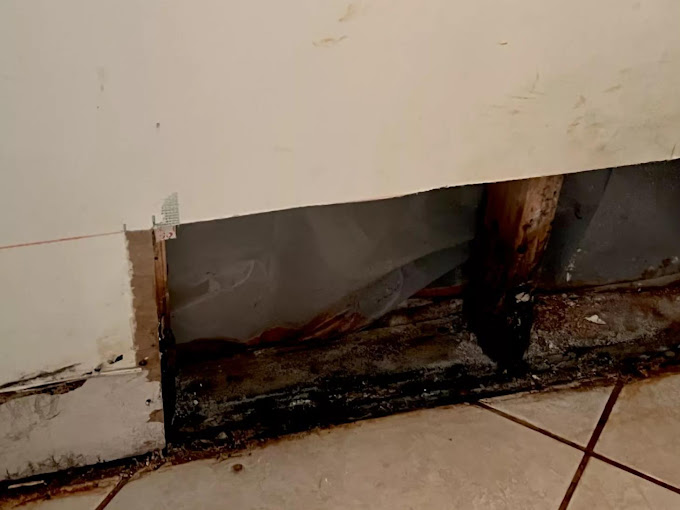
Modern buildings contain numerous enclosed spaces that can trap moisture. Wall cavities, ceiling voids, subfloors, insulation layers, and duct systems often have limited airflow. When moisture enters these areas, drying can be slow or incomplete. These concealed spaces create micro-environments where mold may grow without visible surface evidence.
Testing Is All About Accurate Measurement
Airborne Spore Quantification
Air sampling measures the concentration of mold spores within indoor air. Because mold spores exist naturally outdoors, indoor samples are compared to outdoor baseline levels. The key question is whether indoor concentrations exceed what would normally be expected.
Surface Confirmation and Species Identification
When staining or discoloration is present, surface samples may be collected. Laboratory analysis confirms whether the material contains mold and identifies the species detected. This distinction matters because staining alone does not always indicate active growth.
Moisture Readings as Supporting Data
Moisture meters are used to evaluate the water content of materials. Elevated readings can signal conditions that support mold development. While moisture detection does not confirm mold on its own, it helps identify areas where sampling should occur.
Indoor and Outdoor Baselines
Mold is part of the natural environment. Outdoor air always contains spores. Indoor testing therefore focuses on comparison. If indoor air mirrors outdoor levels and species distribution, conditions may be typical. When indoor concentrations are significantly higher, or when certain species appear indoors but not outdoors, that imbalance can indicate internal amplification.
Interpreting results requires more than a single number. It involves examining species type, concentration, sampling location, and environmental context. Laboratory findings are reviewed carefully so that you understand how conclusions are drawn.
Mold Testing Provides Genuine Value
Testing is often requested after repeated humidity problems or condensation that never fully resolves. Even in the absence of visible mold, sustained moisture can create suitable growth conditions.
Plumbing failures, drainage issues, or past water intrusion events are another common reason for testing. Repairs may address the immediate leak, but moisture trapped within materials can persist.
During real estate transactions, mold testing provides information beyond a general home inspection. Buyers and sellers use laboratory results to clarify indoor conditions before finalizing agreements.
Multi-unit and shared ventilation buildings may also benefit from testing when air quality concerns arise. Independent analysis helps determine whether elevated mold levels are isolated or distributed more broadly.
Residential and Commercial Sampling Strategies
Detached and Attached Residences
Single-family homes, townhomes, condominiums, and apartments each present different airflow patterns. Sampling locations are selected based on layout, ventilation design, and areas with known moisture history.
Offices, Retail, and Mixed-Use Buildings
Commercial environments may require broader sampling due to larger open areas or centralized HVAC systems. Airflow distribution is considered when determining sample placement.
Post-Remediation Clearance Testing
When mold remediation has been performed by a separate contractor, clearance testing can verify whether indoor spore levels have returned to a typical range. This step provides third-party confirmation that the environment has stabilized following cleanup efforts.
Independent Testing Means Neutral Findings
Because Mold Testing LLC does not provide remediation services, the findings are not tied to repair recommendations. If indoor mold levels are within normal limits, that conclusion is documented. If elevated levels are detected, you receive laboratory-backed data to guide next steps. The purpose of testing is to provide information, not to sell additional work.
Areas Served Near Wayne, NJ
Mold Testing LLC serves Wayne and surrounding communities including Lincoln Park, Riverdale, Butler, Montville and more. Each inspection is based on the specific building conditions present at the time of evaluation.
Mold Testing FAQs in Wayne, NJ
How does mold testing measure indoor air quality?
Mold testing measures the concentration and types of mold spores present in indoor air. Samples are compared to outdoor baseline levels to determine whether indoor conditions are elevated.
Can moisture readings predict future mold growth?
Elevated moisture readings indicate conditions that may support mold growth. While moisture alone does not confirm mold, sustained dampness increases the likelihood of development.
What is the difference between staining and active mold?
Staining may result from past moisture exposure or other substances. Laboratory analysis confirms whether a surface contains active mold spores and identifies the species present.
Are certain building materials more susceptible to mold?
Materials that contain organic components such as drywall, wood, and insulation are more susceptible when moisture is present. Non-organic materials can still support mold growth if dust or debris accumulates on their surfaces.
How do outdoor conditions affect indoor test results?
Outdoor mold levels fluctuate based on weather and season. Comparing indoor samples to outdoor baselines helps determine whether indoor concentrations are unusually high.
Is clearance testing necessary after remediation?
Clearance testing provides independent verification that spore levels have returned to typical ranges following remediation. It confirms environmental stabilization.
How long does sampling take on site?
Most inspections take between one and two hours, depending on the size of the building and the number of samples collected.
What factors influence the cost of mold testing?
Pricing depends on the size of the space, the number of samples required, and the complexity of the evaluation. A clear estimate is provided before scheduling.
Schedule Mold Testing in Wayne, NJ
If moisture or indoor air concerns have raised questions about mold, laboratory-based testing provides measurable answers. Mold Testing LLC offers independent inspection services designed to document conditions accurately and clearly. Contact us to schedule mold testing in Wayne, NJ.