Mold Testing in Livingston, NJ | Inspection and Assessment
When you are making a decision about a property, whether buying, repairing, or managing it, uncertainty can slow everything down. Mold is one of those issues that is easy to overlook until it becomes a problem. It may not be visible, and it may not be included in a standard inspection. Testing provides a way to confirm what is actually present so you can move forward based on facts.
Mold Testing LLC provides independent mold inspection and laboratory testing in Livingston, NJ. We focus only on testing and analysis. We do not perform mold removal or repairs. Our role is to evaluate conditions, collect samples, and provide a report based on laboratory findings so you have clear information before making decisions. For mold inspections in NJ, give us a call.
Mold Testing as a Due Diligence Step
Why Mold Is Often Overlooked During Inspections
Most general inspections are visual. They focus on structure, systems, and visible defects. Mold, however, often develops in areas that are not exposed. Without air sampling or laboratory analysis, elevated mold levels can go undetected even when conditions support growth.
Removing Unknowns Before You Move Forward
Testing helps reduce uncertainty. Buyers use it to avoid unexpected problems after closing. Sellers may use it to address concerns before listing. Property owners and managers rely on testing to document indoor conditions when questions come up. In each case, the goal is the same. Replace assumptions with measurable data.
How Mold Issues Begin Inside Buildings
Persistent Moisture at a Small Scale
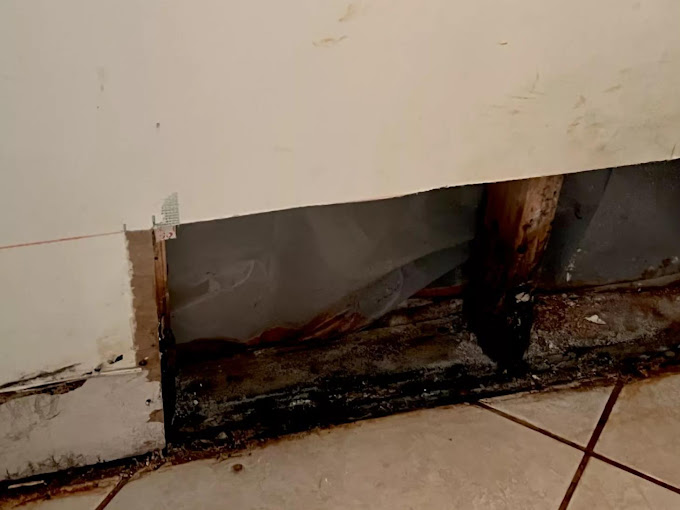
Mold does not require a major event to begin growing. A slow plumbing leak, minor roof intrusion, or repeated condensation can introduce enough moisture to support growth over time. When materials remain damp, mold spores that are already present in the environment can begin to multiply.
Enclosed Spaces That Hold Moisture
Many areas inside a building do not dry evenly. Wall cavities, insulation layers, and subflooring can retain moisture longer than exposed surfaces. These enclosed spaces allow mold to develop without being noticed.
How Spores Move Through Indoor Air
Once mold begins to grow, it releases spores into the air. These spores can move between rooms through normal air circulation and HVAC systems. This is why mold is not always limited to one visible location.
What Happens During a Mold Inspection
Initial Walkthrough and Condition Review
The inspection begins with a walkthrough of the space. We review any known history of leaks, repairs, or ongoing concerns. This helps determine where testing will be most effective.
Air Sampling and Baseline Comparison
Air samples are collected indoors and compared to outdoor samples taken at the same time. This comparison helps determine whether indoor mold levels are elevated relative to normal environmental conditions.
Surface Sampling Where Needed
If staining or suspected growth is visible, surface samples may be collected. Laboratory analysis confirms whether mold is present and identifies the type.
Moisture Detection
Moisture meters are used to check materials for elevated water content. This helps identify areas that may support mold growth even if nothing is visible on the surface.
Understanding Mold Test Results
What the Laboratory Identifies
The lab report identifies mold species and provides spore counts for each sample. This information helps determine what types of mold are present and at what levels.
What Elevated Levels Mean
Mold is naturally present in outdoor air. The concern arises when indoor levels exceed those outdoor conditions or when certain species appear in areas affected by moisture. The comparison between indoor and outdoor samples is what gives the results context.
How Results Support Next Steps
The report gives you a clear understanding of whether conditions are typical or whether further action may be needed. If remediation is required, the data can be shared with a contractor. If not, the report provides confirmation that indoor conditions are within a normal range.
When Mold Testing Is Most Useful
Testing is often requested before closing on a property to identify potential issues that are not visible during a general inspection.
It is also useful after repairs or renovation work, especially when past moisture problems were involved. Even when surfaces appear dry, moisture can remain within materials.
For rental properties, testing can help document indoor conditions when concerns are raised by tenants or property managers.
In situations where conditions inside the building do not improve, testing can help determine whether mold is contributing to the issue.
Mold Testing for Residential and Commercial Spaces
Homes, Condos, and Apartments
Testing can be performed in single-family homes, townhouses, condominiums, and apartments. Sampling is adjusted based on layout and airflow.
Offices and Professional Buildings
Commercial spaces may require additional sampling depending on size and ventilation systems. The same process applies, with samples sent to an accredited laboratory for analysis.
Why a Testing-Only Company Matters
Mold Testing LLC does not provide remediation services. This allows us to remain focused on inspection and analysis without any connection to repair work. The results you receive are based on data, not on services that follow. That separation helps keep the process straightforward.
Areas Served Around Livingston
Mold Testing LLC serves Livingston and nearby communities including West Orange, Roseland, Millburn, Short Hills, and surrounding areas in Essex County.
Mold Testing FAQs in Livingston, NJ
Is mold testing necessary before buying a home?
Mold testing can provide information that is not included in a standard inspection. It helps identify indoor air quality concerns before finalizing a purchase.
Can testing confirm whether repairs fixed a moisture issue?
Yes. Testing can help determine whether mold developed after a leak or whether conditions have returned to normal following repairs.
What types of samples are typically collected?
Air samples are commonly used to measure indoor spore levels. Surface samples may be collected when visible staining or suspected growth is present.
How are indoor and outdoor samples compared?
Indoor air samples are evaluated alongside outdoor samples taken at the same time. This comparison helps determine whether indoor mold levels are elevated.
How long does it take to complete an inspection?
Most inspections take between one and two hours, depending on the size of the space and the number of samples collected.
What happens after I receive the report?
You will have a clear summary of the findings. If mold is present at elevated levels, you can use the report to determine next steps. If not, you have confirmation that conditions are typical.
Do you test commercial buildings?
Yes. Testing can be performed in offices, retail spaces, and other commercial environments.
How is the cost of testing determined?
Pricing depends on the size of the space and the number of samples required. A clear estimate is provided before scheduling.
Schedule Mold Testing in Livingston, NJ
If you need a clear understanding of indoor conditions, mold testing provides documented results based on laboratory analysis. Mold Testing LLC offers independent inspections designed to give you reliable information so you can move forward with your next step.
Contact us to schedule mold testing in Livingston, NJ.