Mold Testing in West Orange, NJ | Inspection and Assessment
Nobody likes uncertainty in regards to mold. You may be preparing to buy a property, addressing a past leak, or trying to understand changes in indoor air quality. At that point, opinions are not helpful. You need clear and measurable data about what's in your building.
Mold Testing LLC provides independent mold inspection and testing services in West Orange, NJ. We focus only on testing and analysis. We do not perform remediation or repairs. Our job is to evaluate conditions, collect samples, and give you a report based on laboratory findings so you can decide what to do next. For mold testing in New Jersey, or information about our service, get in touch.
Mold Problems Start Small and Spread Quietly
Early Conditions That Lead to Mold
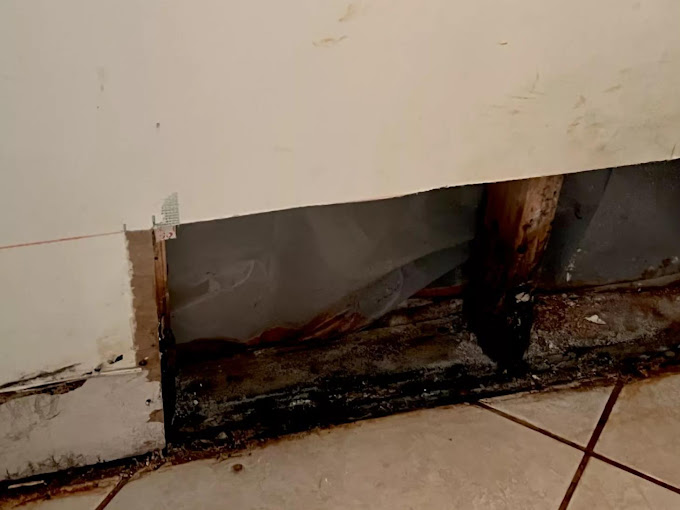
Mold growth begins with moisture. This can come from plumbing leaks, roof issues, condensation, or elevated indoor humidity. In many cases, the original issue may seem minor. A slow drip, a damp basement corner, or a bathroom that never fully dries can create the conditions mold needs to develop.
If moisture remains in building materials such as drywall, wood, or insulation, mold spores that are already present in the environment can begin to multiply.
Why Mold Often Goes Undetected
Mold rarely starts in open, visible areas. It develops in places that are not part of everyday use. Wall cavities, subfloors, ceilings, and HVAC components can all hold moisture without obvious warning signs. By the time an odor or discoloration appears, the problem may already be established behind finished surfaces.
Why Mold Testing LLC Only Provides Testing
No Cleanup Services Means No Bias
Some companies offer both mold testing and removal. That setup can make it difficult to separate the diagnosis from the services that follow. Mold Testing LLC does not perform remediation. We focus entirely on inspection and testing so that our findings remain objective.
Reports You Can Use for Real Decisions
The results you receive are based on laboratory analysis. If mold levels are within a normal range, that will be clearly documented. If elevated levels are found, the report provides information that can be used by contractors, buyers, sellers, or property managers. The goal is to give you something concrete to work from.
What Happens During the Inspection
Walkthrough and Risk Assessment
The process begins with a walkthrough of the space. We look at areas where moisture is likely to accumulate and review any history of leaks, repairs, or ventilation issues. This helps determine where samples should be taken.
Air and Surface Sampling
Air samples are collected to measure mold spore levels indoors and compare them to outdoor conditions. This comparison helps determine whether indoor levels are elevated.
If visible staining or suspected growth is present, surface samples may also be collected. These samples are analyzed to confirm whether mold is present and to identify the type.
Moisture Evaluation
Moisture meters are used to check building materials for elevated water content. This helps identify areas where mold may develop even if it is not currently visible.
What the Lab Results Actually Tell You
Identifying Mold Types
Laboratory analysis identifies the species of mold detected in each sample. Some types are commonly found at low levels indoors, while others may indicate ongoing moisture exposure.
Understanding Spore Levels
The report includes spore counts for each sample. These numbers are evaluated in relation to outdoor levels. Elevated indoor counts can suggest active mold growth somewhere within the building.
How Results Guide Next Steps
The findings help determine whether conditions are typical or whether further action may be needed. If remediation is necessary, the report provides a starting point for that process. If not, it provides reassurance that indoor air quality is within expected ranges.
When Mold Testing Makes Sense
Mold testing is often requested before buying or selling a property. It provides information that is not included in a standard home inspection.
It is also useful after water damage or repairs. Even when surfaces appear dry, moisture can remain inside materials.
When indoor air feels damp or odors persist without a clear source, testing can help identify whether mold is contributing to the issue.
Landlords and tenants may also use mold testing to document indoor conditions when concerns arise.
Mold Testing for Homes and Commercial Spaces
Residential Testing
Testing can be performed in single-family homes, apartments, condominiums, and townhouses. Sampling is adjusted based on layout and airflow.
Offices and Multi-Unit Buildings
Commercial and multi-unit spaces may require additional sampling depending on size and ventilation systems. The process remains the same, with samples sent to a laboratory for analysis.
Post-Remediation Testing
After mold removal has been completed by a separate contractor, follow-up testing can confirm whether spore levels have returned to a normal range. This provides independent verification that the issue has been addressed.
Areas Served Around West Orange
Mold Testing LLC serves West Orange and nearby communities including Orange, Livingston, Montclair, Verona, and surrounding areas in Essex County.
Mold Testing FAQs in West Orange, NJ
How do I know if mold testing is worth it?
If you have experienced water damage, notice persistent odors, or have concerns about indoor air quality, testing provides clear information about whether mold is present.
Can mold be present without visible signs?
Yes. Mold often develops in hidden areas such as behind walls or under flooring. Air sampling can detect elevated spore levels even when nothing is visible.
What is included in a mold inspection?
An inspection typically includes a walkthrough, air sampling, and, when necessary, surface sampling and moisture evaluation.
How long does the process take from start to finish?
Most inspections take one to two hours. Laboratory results are usually available within two to three business days.
What happens if mold is found?
You receive a report outlining the findings. If remediation is needed, you can use the report to work with a contractor of your choice.
Do you test apartments and rental properties?
Yes. Testing can be performed in rental units, multi-family buildings, and commercial spaces.
Is mold testing expensive?
Costs vary depending on the size of the space and the number of samples needed. A clear estimate is provided before scheduling.
How often should a property be tested?
Testing is often done after specific events such as water damage or during property transactions. Some owners choose periodic testing as part of general maintenance.
Schedule Mold Testing in West Orange, NJ
If you need a clear understanding of indoor conditions, mold testing provides measurable answers based on laboratory data. Mold Testing LLC offers independent inspections designed to give you reliable information without pressure or upselling.
Contact us to schedule mold testing in West Orange, NJ.