Mold Testing and Inspection in North Arlington, NJ
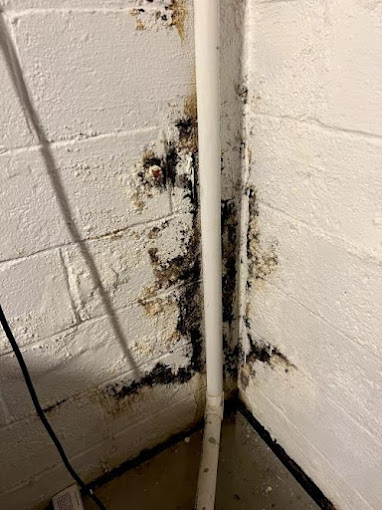
Mold Testing LLC provides professional mold inspections and testing for homeowners, businesses, and property managers in North Arlington, NJ. We investigate suspected mold growth, examine areas affected by water damage, and use laboratory testing when appropriate to help determine what's happening inside your property.
If you've noticed a persistent musty odor, suspicious staining, or moisture problems that haven't been fully resolved, we can help you investigate. Contact Mold Testing LLC to schedule an inspection in North Arlington.
Investigating Mold and Moisture Problems in North Arlington
What Happens After a Leak Has Been Repaired?
A bathroom leak may leave moisture in the drywall or subfloor long after a plumber has repaired the pipe. Similarly, rainwater entering around a window can soak insulation and damage materials inside the wall.
We pay particular attention to these areas during a mold inspection, especially when the property has a history of water damage. The location of the original leak, the materials involved, and how long they remained wet can help us determine where to investigate.
What If You Can't See Any Mold?
A musty odor coming from a finished basement may warrant an inspection even if the walls and flooring appear clean. Moisture can accumulate behind drywall or beneath flooring, where the affected materials aren't readily accessible.
We examine the accessible areas of your property for moisture damage and conditions associated with mold growth. When we find suspicious staining or other evidence of a problem, we can assess whether additional investigation or sampling would be useful.
What to Expect During Your Mold Inspection
We Review Your Property's History
We'll ask about previous leaks, flooding, repairs, and the specific concerns that prompted your call. If you've noticed an odor near a particular wall or recurring stains after heavy rain, those details help us focus the inspection.
We also want to know whether the affected area has been repaired or cleaned previously. Recurring problems may indicate that the original source of moisture still needs attention.
We Examine Accessible Areas for Moisture Damage
Our inspectors look for visible growth, water staining, damaged building materials, and other evidence of moisture problems.
Depending on the circumstances, we may use moisture meters and other inspection equipment to evaluate suspect areas. These instruments help us identify conditions that deserve closer examination, although moisture readings alone cannot confirm mold growth.
We Determine Whether Sampling Would Be Useful
Mold testing may involve air samples or samples collected from suspect surfaces. When laboratory analysis is appropriate, the results can provide additional information about mold found in the collected samples.
We consider the property's condition and the purpose of the inspection before recommending testing. We'll also explain what the results can tell you and where the limitations of sampling apply.
Where We Commonly Find Moisture Concerns
Basements and Finished Lower Levels
Basements in North Arlington homes may experience moisture intrusion through foundation cracks, plumbing failures, or condensation on cool surfaces.
Finished basements can be particularly difficult to evaluate without a closer inspection. Damp drywall or flooring may conceal damage from an earlier leak, especially when the affected area has been painted or repaired.
Bathrooms, Kitchens, and Laundry Rooms
We frequently examine areas around plumbing connections, tubs, showers, and appliances when a property owner suspects moisture damage.
A slow leak beneath a kitchen sink can affect the cabinet base before anyone notices water on the floor. Bathroom ventilation problems may also contribute to recurring condensation and damp surfaces.
Attics and Areas Beneath the Roof
Roof leaks can affect attic insulation and wooden roof sheathing. We look for staining, suspicious discoloration, and other indications of moisture exposure in accessible areas.
Condensation may also contribute to attic moisture problems. The location and appearance of affected materials can help guide further investigation.
What Happens After the Mold Assessment?
Reviewing the Inspection Findings
We'll explain the conditions observed during your inspection and discuss any areas that may need attention.
If samples were collected, laboratory findings can help answer specific questions about the material tested. We consider those results alongside the inspection observations and the property's moisture history.
Addressing the Cause of the Problem
If we identify moisture concerns, the next step may involve repairing a plumbing leak, correcting water intrusion, or arranging further evaluation of affected materials.
Properties with confirmed mold growth may require professional remediation, depending on the circumstances. We'll help you understand the findings so you can determine what work may be necessary.
Mold Testing for North Arlington Homeowners and Property Managers
You may want a mold inspection before purchasing a home with evidence of previous water damage, particularly if the seller cannot explain how the affected materials were repaired.
We also assist homeowners who have noticed recurring odors or suspicious growth. For landlords and property managers, an assessment can help document conditions after a tenant reports a leak or moisture concern.
Mold Testing LLC serves residential and commercial properties throughout North Arlington, NJ. Contact us to discuss your concerns and arrange a professional mold inspection.
Frequently Asked Questions About Mold Testing in North Arlington, NJ
Can mold remain inside a wall after a plumbing leak has been repaired?
Yes. Drywall, insulation, and other materials may retain moisture after the plumbing problem has been corrected. If the area remained wet long enough, mold may have developed inside the wall. An inspection can help determine whether further investigation is appropriate.
Should I have my basement inspected if it smells musty but looks clean?
A persistent musty odor is a reasonable reason to investigate. Finished walls, carpeting, and stored belongings can conceal damp materials. We can examine accessible areas for moisture concerns and assess whether additional testing would help.
Does every mold inspection require air sampling?
No. We recommend sampling based on the property's conditions and the questions you need answered. In certain situations, a visual inspection and moisture assessment may provide enough information to identify the problem and determine the next steps.
Can mold testing help when I'm buying an older home in North Arlington?
Yes. If a home inspection identifies suspicious staining or previous water damage, a mold assessment can provide more information about the affected areas. This may help you understand potential repair concerns before completing your purchase.
What should I do if mold keeps returning after I clean it?
Recurring growth usually warrants a closer look at the moisture conditions in that area. A slow plumbing leak, condensation, or water intrusion may continue to affect the material. We can inspect the area and help identify concerns that need further attention.
Schedule Your Inspection