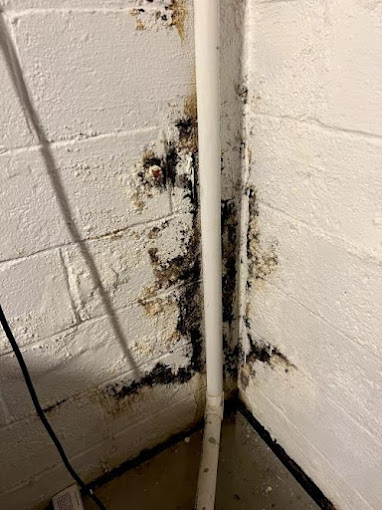
Mold Testing and Inspection in Nutley, NJ
Mold Testing LLC provides professional mold testing and inspection services throughout Nutley, NJ, and the surrounding Essex County area. If you've discovered suspicious growth, noticed a musty odor, or have concerns about previous water damage, we can inspect your property and help you understand what needs attention.
Our inspections examine moisture conditions and suspected mold growth, with laboratory testing available when appropriate. We work with homeowners, buyers, and property managers who want reliable information about their properties. Contact us to schedule a mold inspection in Nutley.
When Should You Schedule a Mold Inspection?
After Water Damage That Was Never Fully Evaluated
A repaired plumbing leak may leave unanswered questions about the surrounding materials. If water reached the insulation inside a wall or soaked through the subfloor, those materials may have remained damp even after the visible surfaces dried.
We recommend investigating areas where significant water damage occurred, particularly when the extent of the damage was never established. The duration of moisture exposure and the materials involved can help determine whether further examination is warranted.
When Stains or Odors Keep Coming Back
Recurring stains around windows, ceilings, or basement walls deserve a closer look. Repainting the affected surface may cover the discoloration, but it won't address an active moisture problem.
A persistent musty odor can also justify an inspection, particularly when it seems concentrated in one room or returns after humid weather. We'll examine accessible areas for moisture damage and other conditions that may explain what you've noticed.
How We Evaluate Suspected Mold in Nutley Properties
Identifying Areas That Need Attention
We'll ask about the concerns that prompted your call, along with any previous leaks, flooding, or repairs. If a particular room has developed an odor or a ceiling stain keeps returning, we want to know when the problem started and what work has already been completed.
This information helps us concentrate on the areas most likely to have experienced moisture damage.
Checking Materials for Moisture
Our inspectors examine accessible surfaces for suspected mold growth, staining, deterioration, and evidence of water intrusion.
We may use moisture meters or other inspection equipment to evaluate materials that appear damp or have a history of water exposure. These instruments provide useful information about moisture conditions, although the readings must be considered alongside the property's construction and visible findings.
Using Laboratory Analysis When Appropriate
Air and surface samples can help answer specific questions about mold in a property. When sampling is appropriate, collected materials can be submitted for laboratory analysis.
We'll consider the inspection findings before determining whether samples would be useful. Laboratory results provide information about the samples collected and should be interpreted alongside the conditions observed during the assessment.
Mold Concerns in Older Homes and Renovated Interiors
Finished Basements and Covered Materials
Finished basements are common places to investigate after previous water intrusion. Carpeting, wall finishes, and enclosed storage areas can make it difficult to examine materials that were affected by a leak or flooding.
If a basement was renovated after water damage, we'll consider the repair history and inspect accessible areas for remaining moisture concerns. New finishes alone don't establish whether the underlying materials were adequately dried or repaired.
Windows, Exterior Walls, and Roof Repairs
Water stains near windows may result from deteriorated seals, exterior openings, or condensation. Roof leaks can also affect ceilings and wall cavities some distance from the original entry point.
We examine the location and condition of suspicious materials to help assess possible moisture exposure. If the findings suggest an active building defect, a qualified contractor may need to investigate the source further.
Understanding Mold Test Results Without Guesswork
What a Mold Sample Can Tell You
Laboratory analysis may identify mold present in an air or surface sample. However, results depend on where and how the sample was collected, along with conditions at the time of testing.
There isn't a universal indoor mold count that determines whether every building is safe. We consider laboratory findings in the context of the inspection rather than relying on a single number.
How Findings Inform Repairs or Remediation
An assessment may identify damaged materials, suspected growth, or moisture conditions that require attention.
We'll explain the findings and discuss whether additional investigation, moisture repairs, or professional mold remediation may be appropriate. The recommended next steps depend on the conditions documented at your property.
Mold Assessments for Real Estate Transactions and Property Management
If you're purchasing a home in Nutley, a mold inspection may be worthwhile when the general home inspection identifies previous water damage or suspicious staining. An additional assessment can help clarify concerns before you finalize the purchase.
We also assist homeowners who need to investigate recurring moisture problems and property managers who want to document conditions after leaks or maintenance complaints.
Mold Testing LLC serves residential and commercial properties throughout Nutley and Essex County. Contact us to discuss your concerns and arrange an inspection.
Frequently Asked Questions About Mold Testing in Nutley, NJ
Can new drywall hide mold from an older water leak?
Yes. New drywall may cover materials that were previously affected by water. If insulation, framing, or adjacent surfaces remained damp, mold growth may have developed. An inspection can help evaluate accessible areas and determine whether further investigation is appropriate.
Is discoloration around my windows always a sign of mold?
No. Window discoloration may result from condensation, water staining, or mold growth. The appearance of the affected area and its moisture history can help determine whether sampling or additional examination would be useful.
How soon after a basement flood should I consider mold testing?
Water removal and thorough drying should begin promptly, ideally within 24 to 48 hours. If materials remained wet, odors developed, or concealed damage is suspected, a professional assessment can help evaluate the affected areas.
Can a mold inspection identify the exact location of a hidden leak?
An inspection may reveal damp materials or evidence of water intrusion that helps narrow down the affected area. However, identifying the precise source of a concealed plumbing or roofing leak may require a specialist.
Will mold testing tell me whether my home is safe to live in?
Mold testing provides information about sampled materials and observed building conditions. It cannot guarantee that a property is free of mold or establish whether it is safe for every occupant. We explain the findings and their limitations so you can make informed decisions about the property.
Schedule Your Inspection